Altra Lone Peak 9+ Review
Altra Lone Peak 9+ Trail Shoe Review
&
Why buy a zero-drop shoe?
What do Altra say about the Lone Peak 9+?
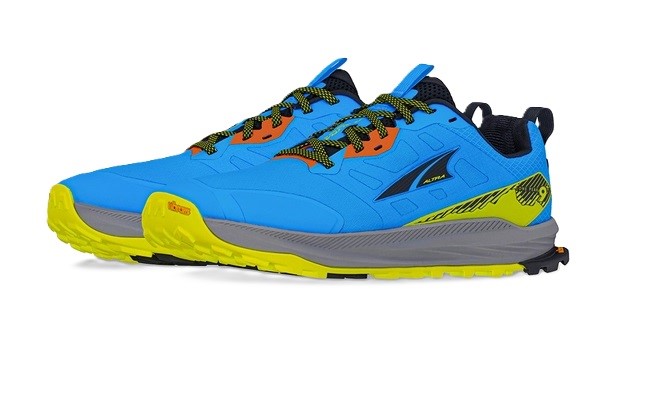
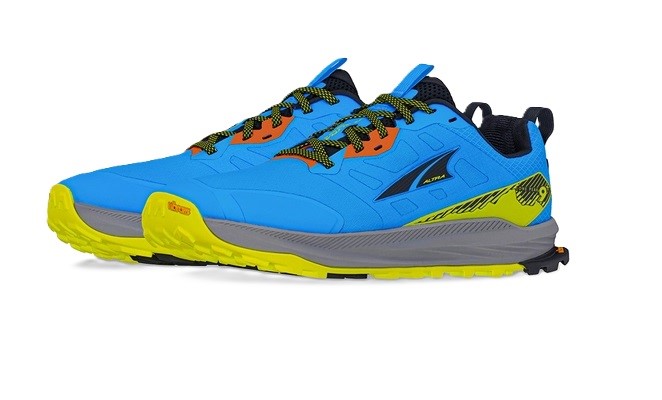
A legendary trail shoe, now with a legendary Vibram® Megagrip outsole for fierce grip. We turned up the traction so you can take on legendary adventures. A revised midsole foam is designed to deliver a comfortable connection to the ground. No-sew overlays and a ripstop mesh upper are made for high-mileage durability. Get that classic Altra feel with zero drop and our roomiest toe box, with plenty of room to help your toes move more freely, and space through the midfoot. Grip, durability, and connection on the trail. Legendary…..
The new Lone Peak has a 0mm drop, Altra EGO™ Midsole, Vibram® Megagrip Outsole, Mid-level cushioning, and a 25mm stack height. We will talk about some of the technical details here later on but for now let’s talk about the shoe itself.
How did MyRaceKit test this shoe?
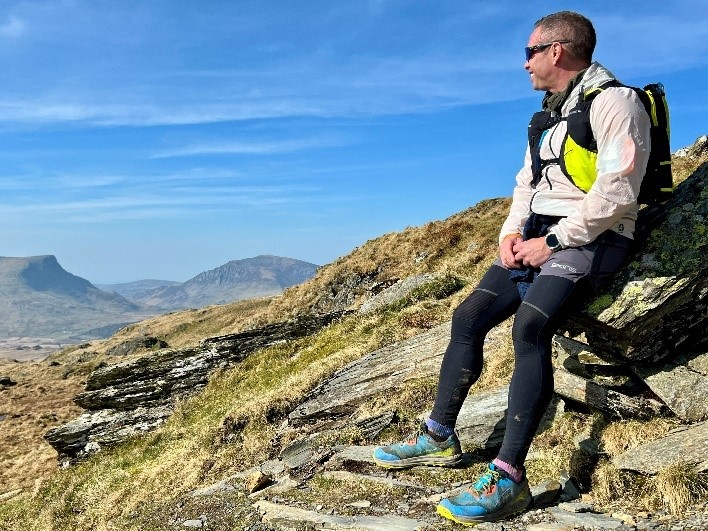
I believe product testing, where possible, should be done in the same environment and under similar conditions to which the marketing states or the product has been positioned. I’m not a YouTube influencer, I don’t have an Instagram account showcasing my running, and you won’t see me on TikTok! I’m not going to find a gravel path, run 5k in the Lone Peak, then tell you it would be fit for a mountain Ultra, so here’s what I did. I drove 300 miles to Snowdonia and signed up for a 2 day recce of the UTMB UTS 100K course with Raw Adventures (check these guys out!) that I’m racing in May. I took my tried and tested Inov-8 Trailtalons, and the Altra Lone Peak 9+. I know it is usually frowned upon to lace up a shoe from new, run up and down hills for 7 hours, and naive to expect zero foot issues, but I did it anyway. Both days were around 25k, summiting Snowdon, a fair bit of scrambling up rock faces, some boggy terrain, loose scree and gravel, and the best technical downhills I’ve ever run. The sun was out, so it wasn’t overly muddy, it is Wales, and there were still some wet sections to test the shoes. I did day 1 in the Inov-8, this was so I had a comparison for the Altra, and they did well. No major issues, a few slips but all recoverable, and they handled the terrain well. I will admit, I expected the Altra to fall short, it doesn’t have the deeper lugs, but how wrong could I be (which is annoying because I bought a second pair of Inov-8’s and now I’m thinking they might not see much light until XC next year). I just want to say upfront, I paid for the Altra’s, I pay for all my equipment, I will be transparent and say I get a discount as I race and promote MyRaceKit through these reviews and articles and will wear branded kit to race. I will also be brutally honest, I’m not going to back any product that doesn’t work for me, that said it is only my opinion and you should try things for yourself. I’m not an employee of MyRaceKit, I just value their support, expertise, and general love for the ultra-running community. It isn’t often you find the leading experts in the multi-day racing and ultra running, just down the road, and I will continue to support them as a local business in any way I can.
How did the Altra Lone Peak 9+ Feel?
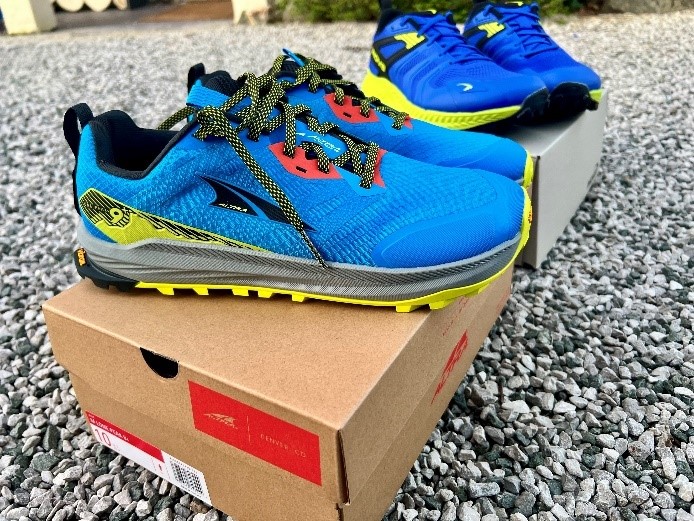
So I woke up at 2am and hobbled to the bathroom after my first day, my feet felt battered from a day of pretty hard running, not what I’m used to with the Inov-8 if I’m honest, and I wasn’t sure how this day would unfold considering I could barely walk. After a very lovely breakfast, I slipped on the Altra’s, and they immediately felt comfortable. Altra have designed the shoes to be shaped like a foot, this provides a comfortable amount of room for your toes to sit naturally in the shoe. I used a lace lock, the shoe pulled perfectly into my ankle and felt secure. I only stopped once that day to re-tie my laces and that was on a steep downhill where I could feel my big toe occasionally contacting the shoe. It’s worth mentioning that I did not size up these trainers, I went with my regular size, you would need to get them fitted ideally, but the sizing I feel is generous.
I’ve thought a lot about how to describe how running in the Altra Lone Peaks’ felt, and it took a while to come up with a description that did them justice. If we look at the form of Kilian Jornet floating down hill, that’s how I felt I looked (we know I looked nothing like that, but a man can dream). The shoe provided a confidence that was hard to pinpoint, every foot landing felt secure and stable, very rarely did the shoe slip. There are a few sections going up Snowdon, where you are scaling rock faces, climbing, and stepping on very flat surfaces but the shoe didn’t slip once. When running downhill, and if you are confident enough to let gravity take over and fall down the mountain, your only concern is placing your foot on the next rock, step, gravel surface, and not slipping and falling. These shoes never made me feel like I was going to come unstuck, this is probably down to the Vibram sole, and I would choose these over any shoe I’ve owned for that terrain.
Durability
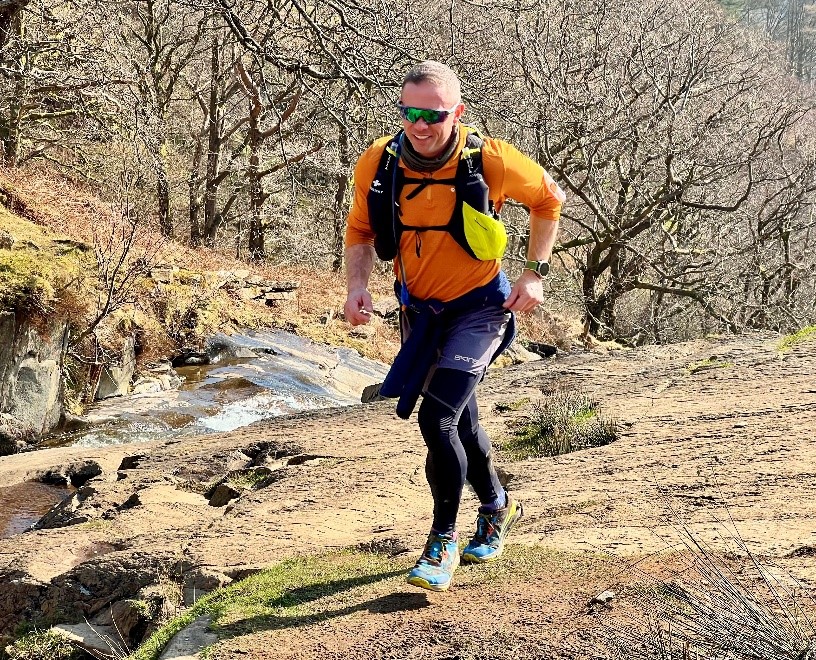
On numerous occasions I stubbed my toe on rocks, scraped the toe box across rocks while climbing, and not one scratch or tear can be seen. When you wipe the trainers down, and the dust and mud has gone, you are left with a pristine trainer, that will was not the case for some of the other shoes used by recce participants, some shoes were also first outing but finished with rips and tears. A big win for Altra, 10/10.
So would I buy another pair……
I will be buying another pair, don’t tell the misses, but I think it is a necessity (Sarah….I’m not a kit whore……use nicer words 😉). The selling point for me was the comfort over and above anything else, I started the day with feet that were begging not to be run on again, by the end of the day it would have been hard to tell I’d run the day before, I also felt really fresh, we ran the last 5k back at a fair pace and felt like I could have carried on. I think these trainers would take a beating and stand the test of time; I know one outing isn’t enough, but you get a feel for how the trainers are built pretty quickly. If I had to give you one reason to try these shoes, it is the stability, and the confidence they induced on what a lot would see as fast, scary, and technical downhills. I didn’t once doubt my foot placement, or whether the shoe would support my decision, they just worked. I felt really connected to these shoes, and I’m not sure I have ever said that before. I will be using these for UTS in May, I will probably go with a spare pair of the same in my half-way drop bag. These wouldn’t be the trainer for deep winter mud, but for any other technical terrain I would recommend these immediately.
Zero-Drop Shoes – Why would I buy them?
Why would we choose a zero-drop shoe? I’m going to give you an honest overview of the pros and cons, this will help you make the decision yourself. Biomechanics, running form, and shoe choice are all personal preferences, but this article may make you consider your life choices. Marketing will tell you that some shoes will make you run faster, some will cause less injuries, some make you feel like you’re running on clouds, you need to make an informed decision on what is true and what is snake oil, and that is what I will aim to help you do here.
For me, and I do run in Altra Lone Peak 9 Plus shoes, the most important benefit is the introduction of more normal foot biomechanics when walking/running. I do tend to rotate shoes in my training week, I use a few different pairs of road and trail shoes, but only the Altra is Zero-Drop. I will also perform shorter treadmill runs with Vibram Fivefingers, they are as minimalist as you can get, I use these to normalise my foot biomechanics, by introducing articulation in as many of the foot joints as possible. If you are lucky enough to be able to rotate your shoes, and in my reductionist and unpopular opinion, this stops your foot biomechanics from relying on one type of shoe. The variation in shoes should provide different articulation points, allow the foot to adapt to different stack heights and drop, and assist in strengthening the muscles in the foot and leg with different stimuli, possibly reducing overuse injuries in some small way.
The book Born to Run by Christopher McDougall provided me with food for thought when it was first released 2009, it provided a wealth of information on the barefoot running community, it also discussed injury rates among runners and the why this may happen, it also discussed how cushioning has changed over the last 30-40 years. There are 26 bones and 33 joints in the foot, each one has a purpose, or it wouldn’t be there! Some trainers allow more movement in these joint than others, cushioning can also stop the joint working as nature designed. I don’t want to go into the anatomy or biomechanics of gait here, it will bore most readers, but it worth considering that normal foot biomechanics can be restricted by footwear. Altra designed the zero-drop shoe to promote more natural foot movement, as far as running form and gait are concerned, this can only be beneficial in reducing injury and improving performance if utilised in the correct way.
So, I’ve bored you to death on the natural foot biomechanics argument, what other benefits are there, why should you buy a zero-drop shoe? Stated benefits include gait transition, meaning that if you are a heel striker, the reduced heel depth will allow you midfoot strike more naturally. This won’t be an automatic change, you would still need to perform technical drills and perhaps seek a professional running coach to help you transition safely, overstriding and changes in gait/form can lead to injury if the adaptation isn’t done gradually. This isn’t something to be concerned about, all changes in volume, technique, and form, should be made slowly. If you are a mid or forefoot striker already, a zero-drop trainer will be an easy transition. A zero-drop trainer, especially with the reduces stack height, will allow you to feel more in contact with the ground, this in turn can improved stability and balance. Less cushioning means a lighter shoe and can last for a lot more miles than a cushioned shoe.
It is worth noting the reported cons of a zero-drop shoe, without the counter argument you won’t be able to decide for yourself if you are making a wise investment. If you suffer with Achilles tendon pain while running, you may need a more supportive shoe, this is also true for runners with flat feet. Other than that, there aren’t many reasons not to try a zero-drop shoe like the Altra.
Zero-drop vs Minimalist Trainers
Zero-drop and Minimalist trainers are not the same thing, minimalist trainers usually have reduced cushioning and reduced arch support. Zero-Drop was a term coined by Altra, referring to placing the foot into a natural and stable position. Altra still provide some cushioning and support, even though there is a 0mm drop height.
What are we talking about, stack height?
The stack height is the total height of the midsole. Basically, the amount of cushioning, including the foam, air chambers, and any other cushioning materials. The stack height will be directly relatable to how soft or hard the trainer feels when in contact with the ground. It is worth looking at the stack height of your current trainers and comparing it to any new potential acquisition, they can vary quite a lot. For comparison an Altra Lonepeak 9 plus has a 25mm stack height across the shoe and a Hoka Challenger has a 31mm heel and 26mm forefoot stack height.
Adapting to a zero-drop shoe
Changing shoes should always be a phased approach, especially when changing to a significantly different type of shoe, like a zero-drop. There will be a slight change in running gait and form between shoe types, it would be ideal to let your body adapt gradually. This can be done by introducing the zero-drop into your normal shoe rotation if you have one. If you don’t, now would be a great time to start!
Can I make the change to zero-drop shoes easy?
As previously stated, a gradual introduction of the new shoe is a good place to start. We can do a gait analysis in-store at MyRaceKit to review your gait, identifying if you are a heel or mid-foot runner, this will allow us to provide further information on how you can ease your transition to zero-drop shoes. A zero-drop trainer is somewhere between a barefoot/minimalist shoe in relation to stack height, and you will notice some difference if you are used to a very cushioned shoe.
Food for thought!
- Normal stability trainers can weaken your arch, this is due to the reduction in normal foot biomechanics and providing support under the Navicular bone in the foot, a bone which acts like a key stone in a bridge. For the engineers reading this, would you put a pillar under the keystone of a bridge……I don’t think so……it would only aid in weakening the bridges structural integrity!
- No scientific studies that show stability trainers improve injury rates; studies have shown the opposite to be true.
- Wearing deeper heeled shoe can affect your stride, your heel will naturally contact the floor
- Can you run on the spot on your heels? If your loved one was about to be hit by a car, would you run over to help on your toes or on your heels? No, then why do it when you go for a run?
- Newton’s third law states, for every action, there is an equal and opposite reaction. If you heel strike, and it hits the floor in front of you, the same force is pushed back through your foot, then your knee, and your hip. This will effectively put on a break with every foot strike, is this an efficient way to run?
To summarise all this waffle……
I can’t say whether a zero-drop trainer will be right for you. I can’t tell you it will fix all your running injuries. I won’t tell you that buying an Altra Lonepeak 9 will guarantee you a PB in your next trail ultra. For me the Altra provided a more responsive feel to my mountain trail run, it allowed me to feel more connected to the terrain under foot. I felt the increased ground contact provided me more stability and mobility, and it did feel like a faster ride than something like a Hoka Speedgoat. I wouldn’t say these shoes are for every terrain, I wouldn’t wear them in thick mud, but they might be my first choice on loose rock and scree, they are also an ideal shoe for tight packed and dry trails and are more comfortable than any other trail shoe I’ve had to date. I do believe adding a zero-drop shoe into your training will help re-balance your foot biomechanics and may help to alleviate some running niggles. Everyone is different, and there is never a silver bullet or hack in running but come and give the Altra trainers a try at the shop, see for yourself if it’s the right fit for you (see what I did there?), you won’t know until you know!